Waitakaruru
Our bespoke learning space for pēpi up to the age of 2 years old
The Nuts & Bolts:
1:4 maximum kaiako to child ratio (MOE ratio is 1:5)
Incredible team of experienced & passionate kaiako
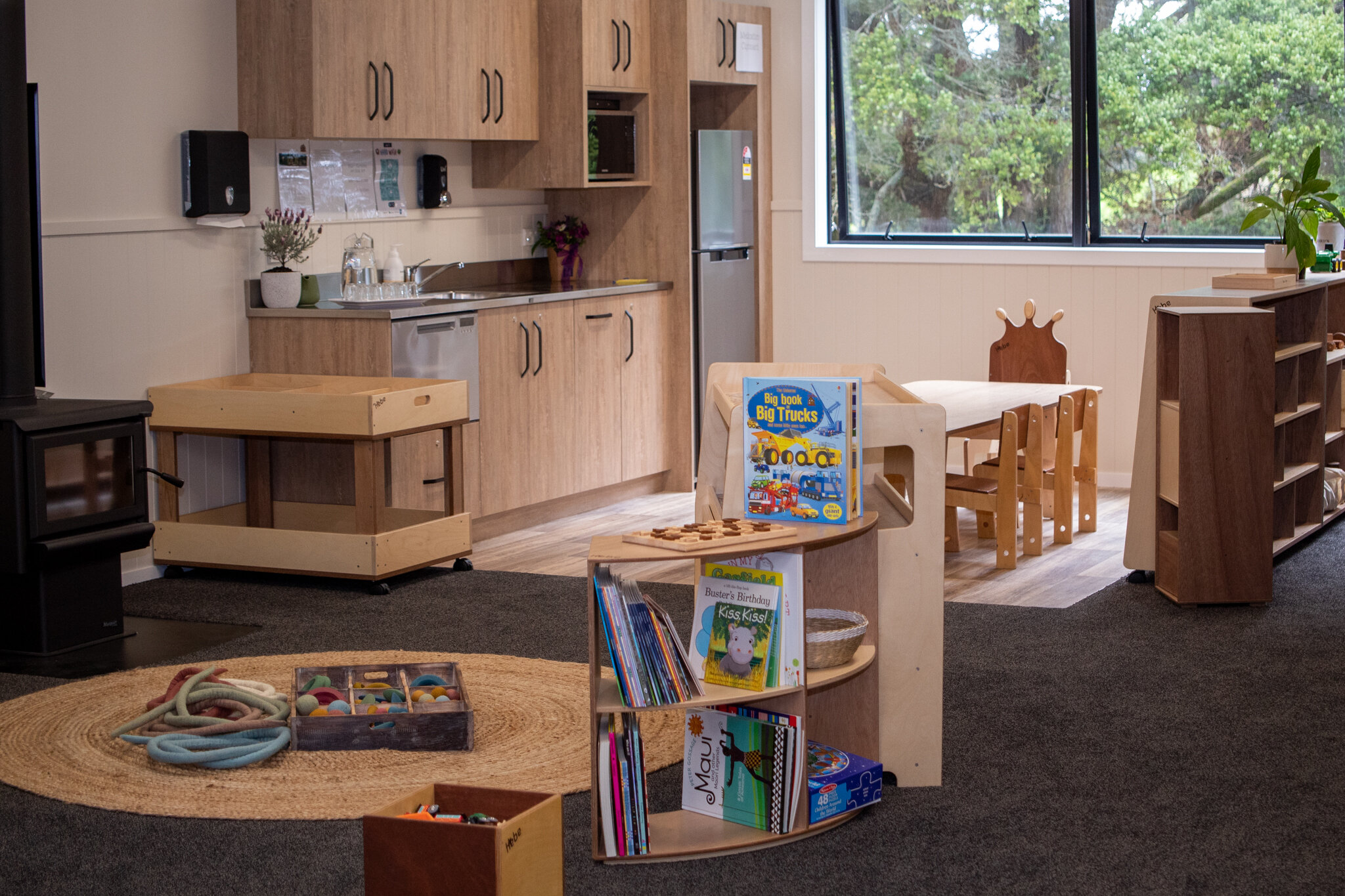
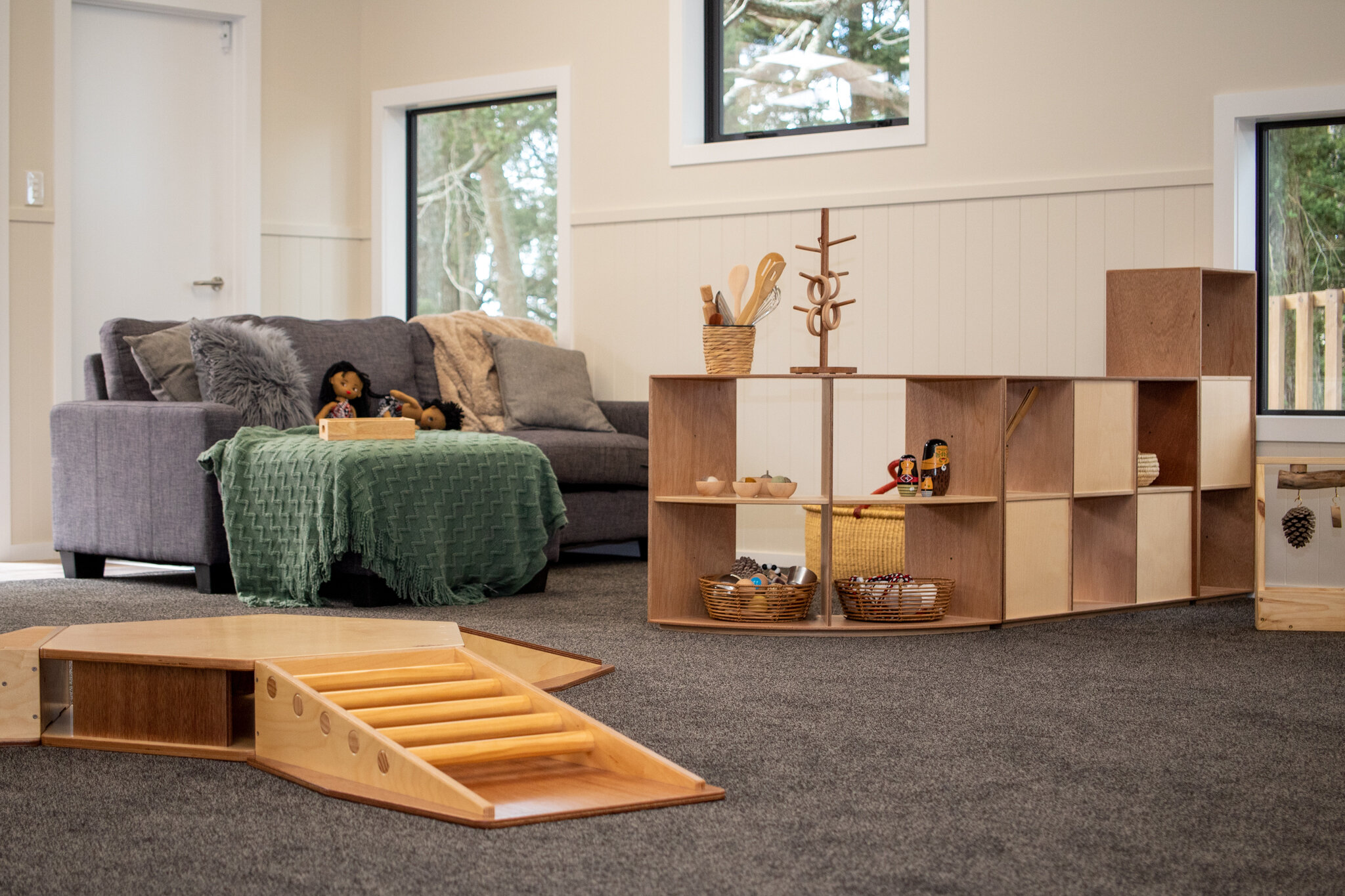
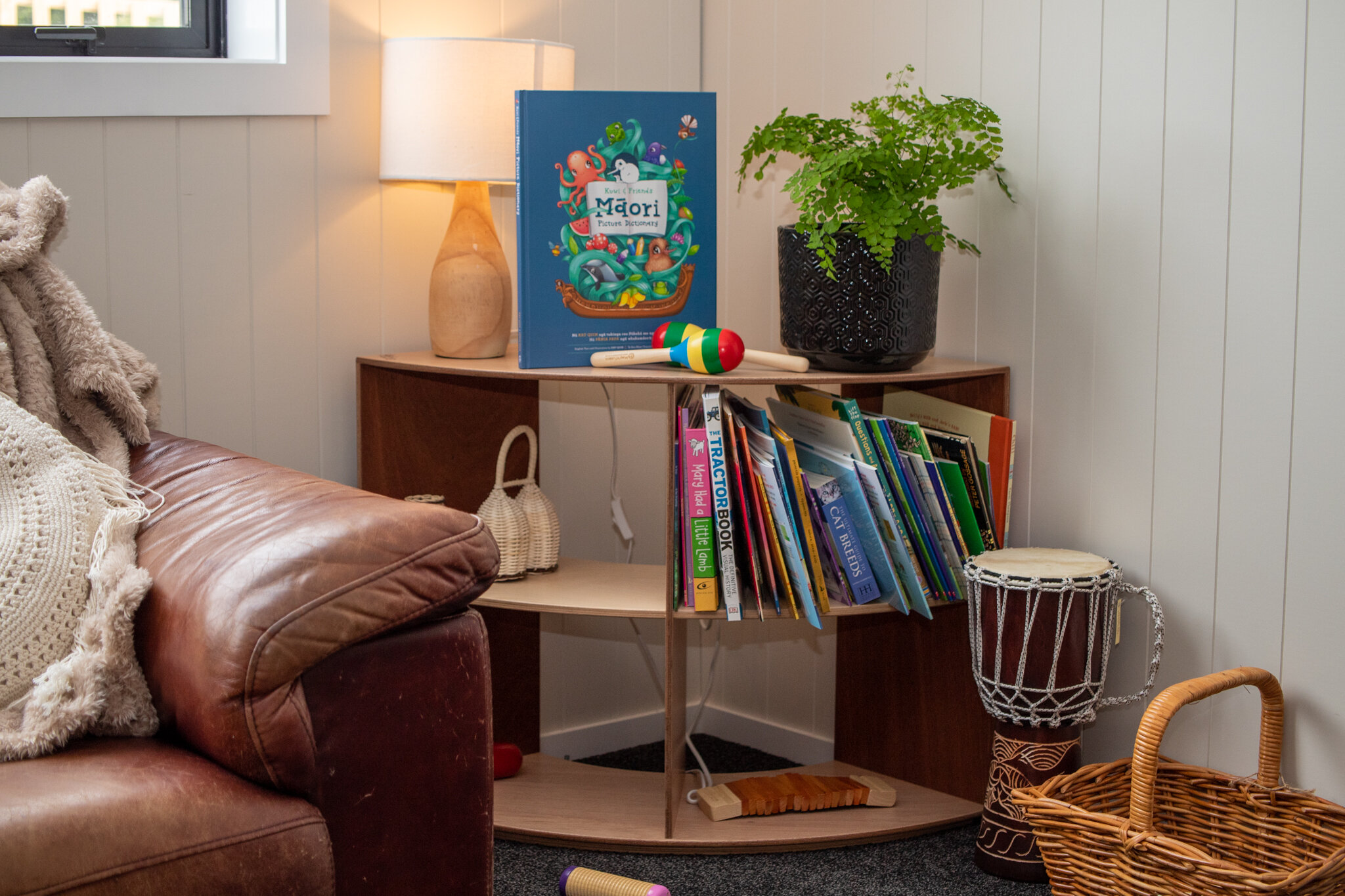
Beautiful, relaxed space that feels like home
Nourishing, house-made meals for all ages & stages
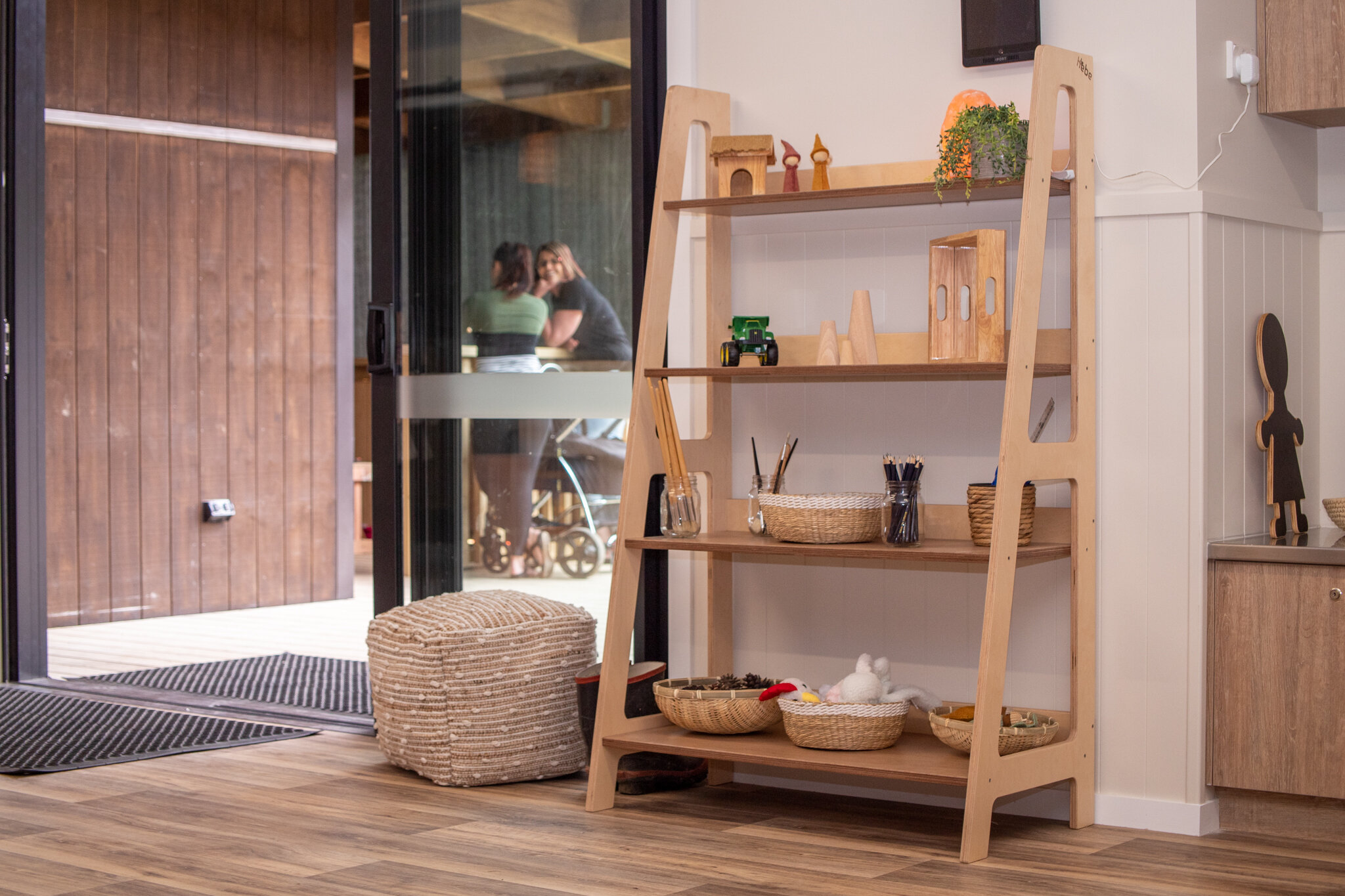
Fire place, cosy sleep room, covered deck, developmentally responsive resources, and a beautiful outdoor play space tucked amongst our tōtara grove
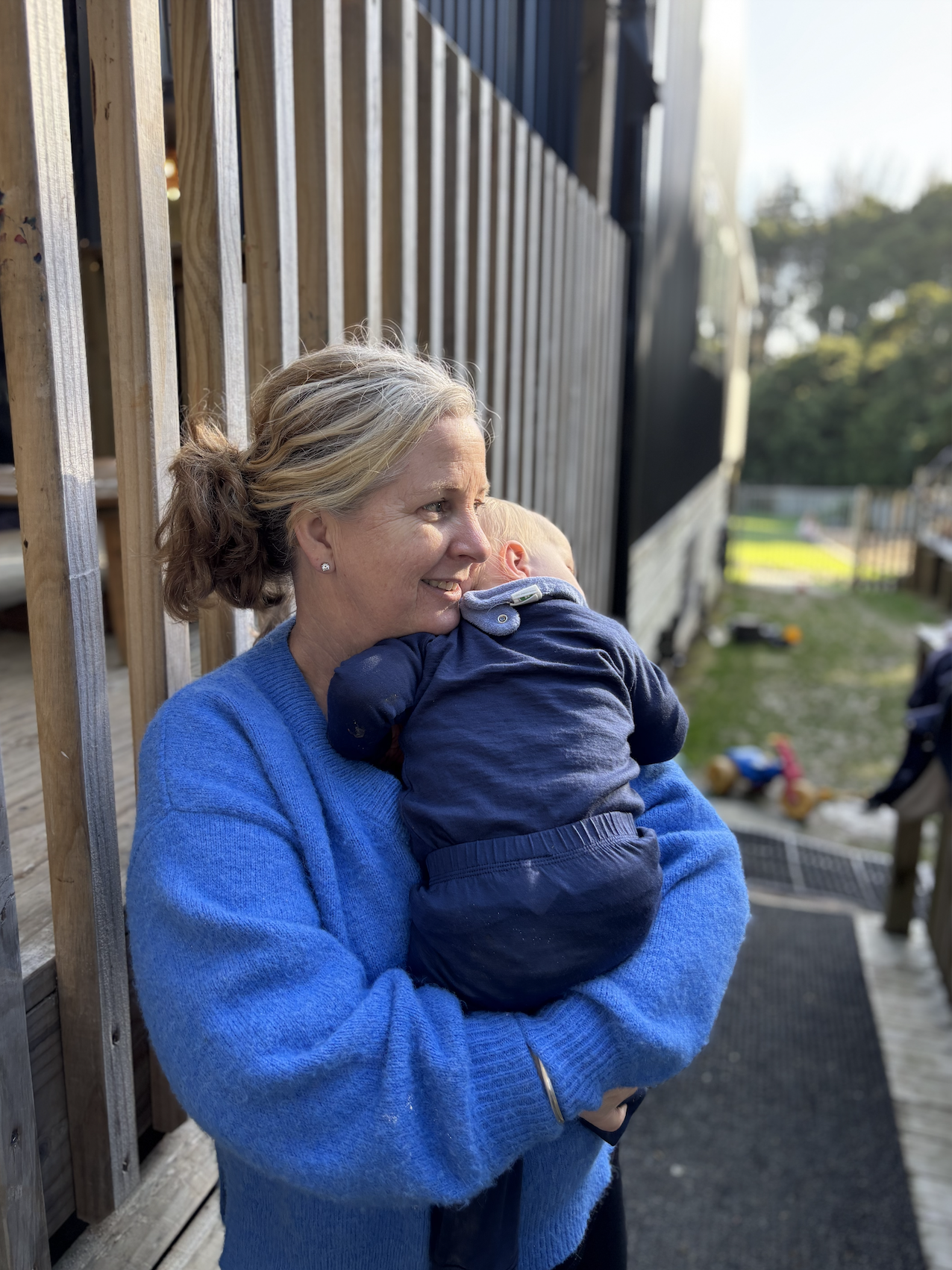
We know personally how it feels to leave your precious pēpi in the care of others. That’s why we’ve hand selected the most phenomenal team of ‘Under 2’ experts to ensure you and your pēpi feel wrapped in aroha from the moment you arrive for your first transition visit. These are the most formative years of your child’s life, and that’s not a responsibility we take lightly. Our Waitakaruru kaiako become an extension of your whānau, the modern village, here to support you every step of the way. So you can head to mahi confident in the knowledge that your bub is loved, cherished and nurtured during your time apart from one another.
Piako & Kuranui
Our gorgeous learning space for toddlers and young children (2-6 years)
The Nuts & Bolts:
1:8 maximum kaiako to child ratio (MOE is 1:10)
Epic multidisciplinary team of experienced kaiako with a wealth of experience through toddlerhood to school days
Play-based curriculum with ample opportunity for structured & teacher-led experiences
Nourishing, housemade meals (and no, we never limit children’s kai - food is fuel for play, and play is fuel for learning!)
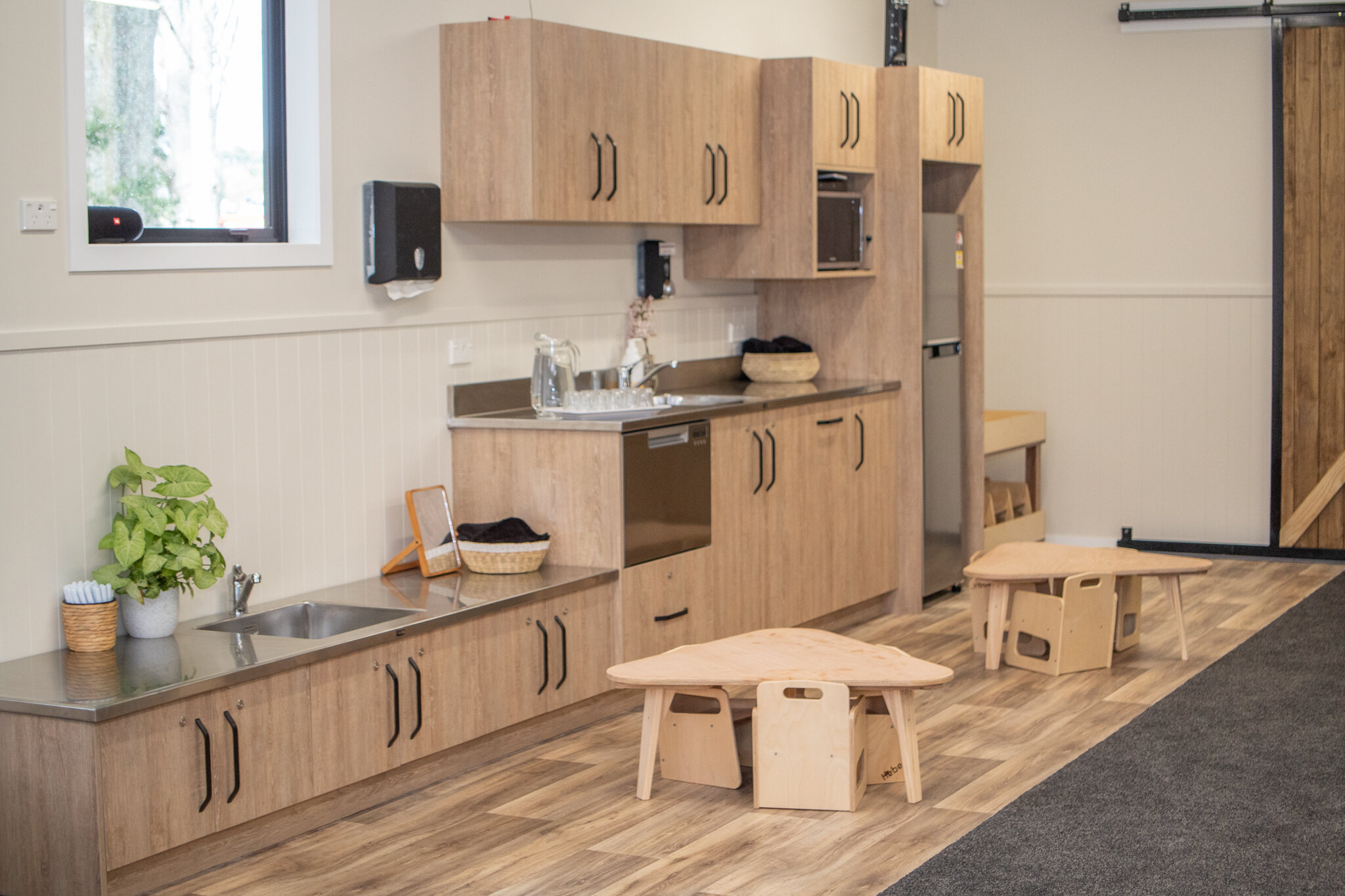
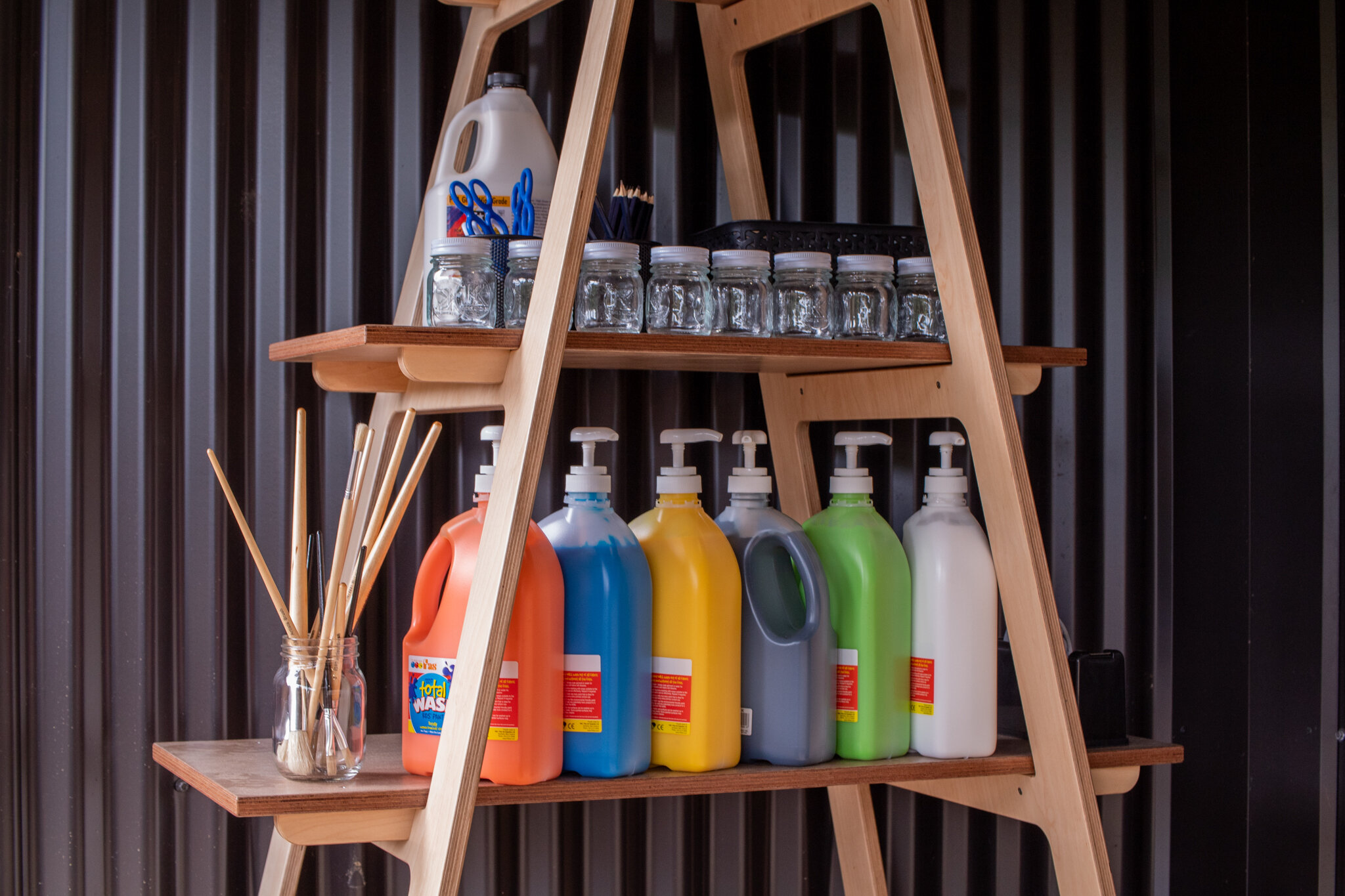
Fire places, cosy sleep room, kitchenettes & dedicated art spaces
Awesome facilities for toilet learning
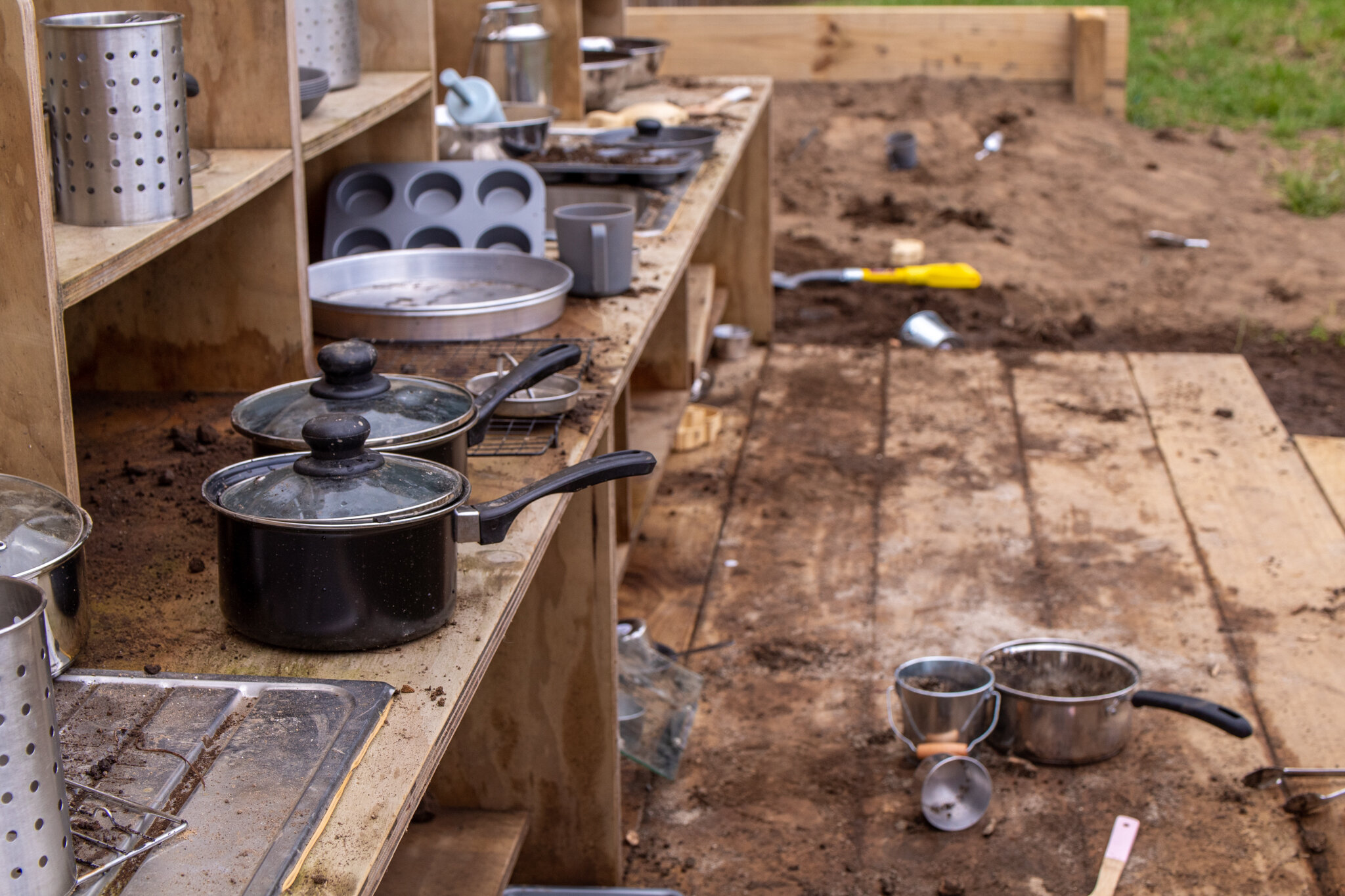
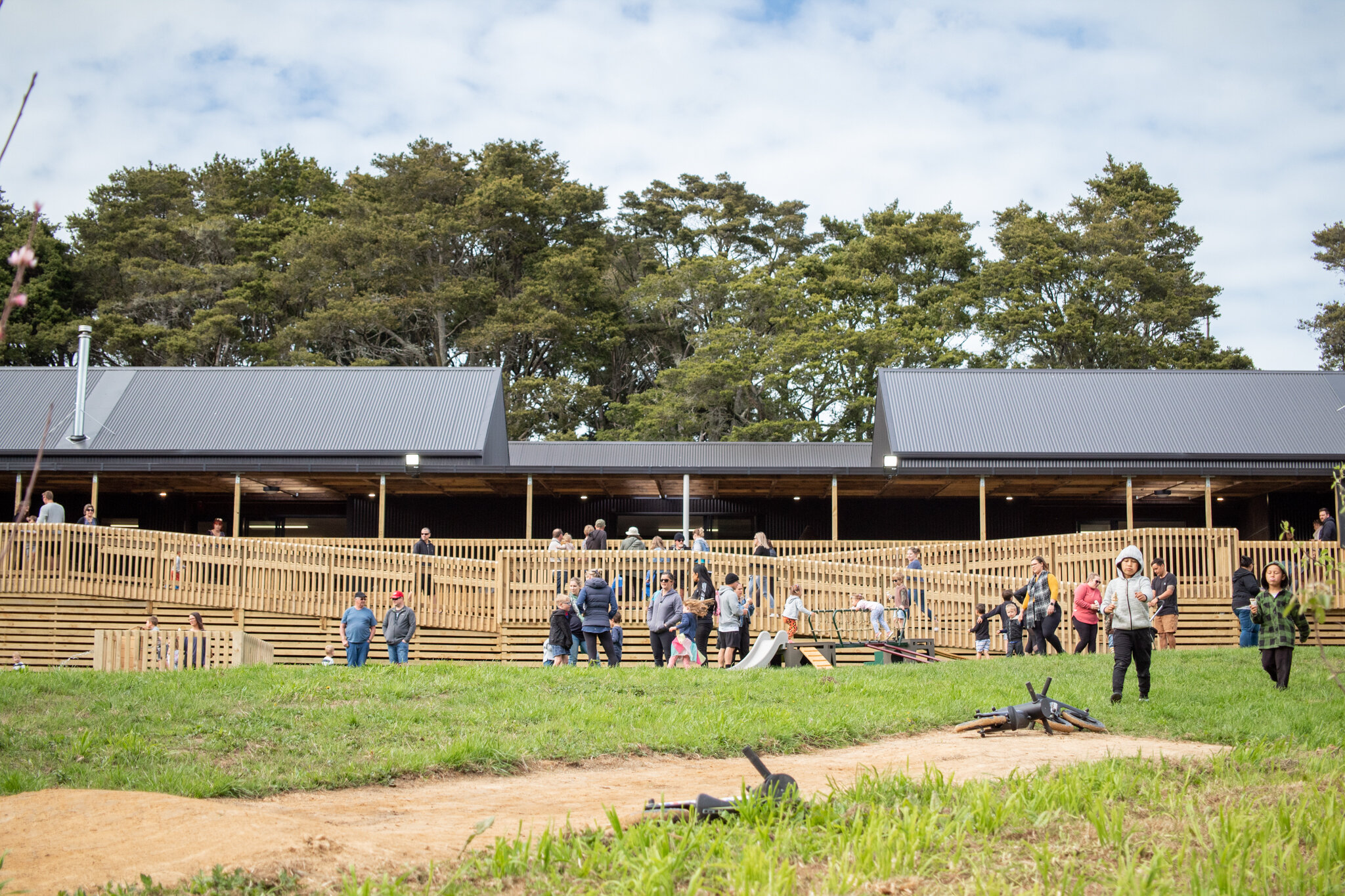
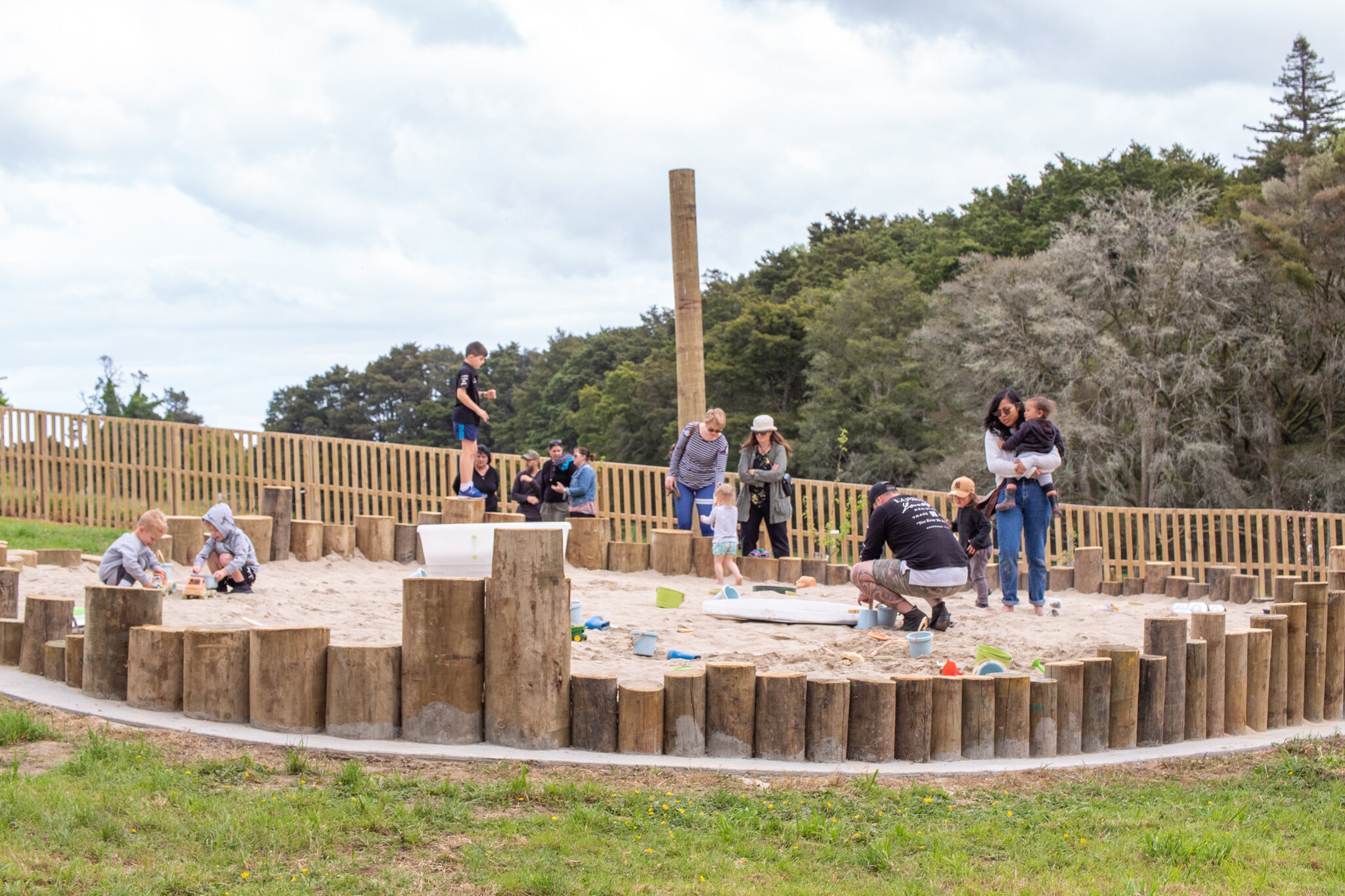
Incredible playground boasting a huge sandpit, mud kitchen, bike track, fruit trees, veggie gardens, swings, climbing equipment, water pump and, above all else, SPACE! All nestled amongst our beautiful tōtara grove.
“Decades of research has shown that play is crucial to physical, intellectual, and social-emotional development at all ages. This is especially true of the purest form of play: the unstructured, self-motivated, imaginative, independant kind, where children initiate their own games and even invent their own rules”
We are Play Protectors
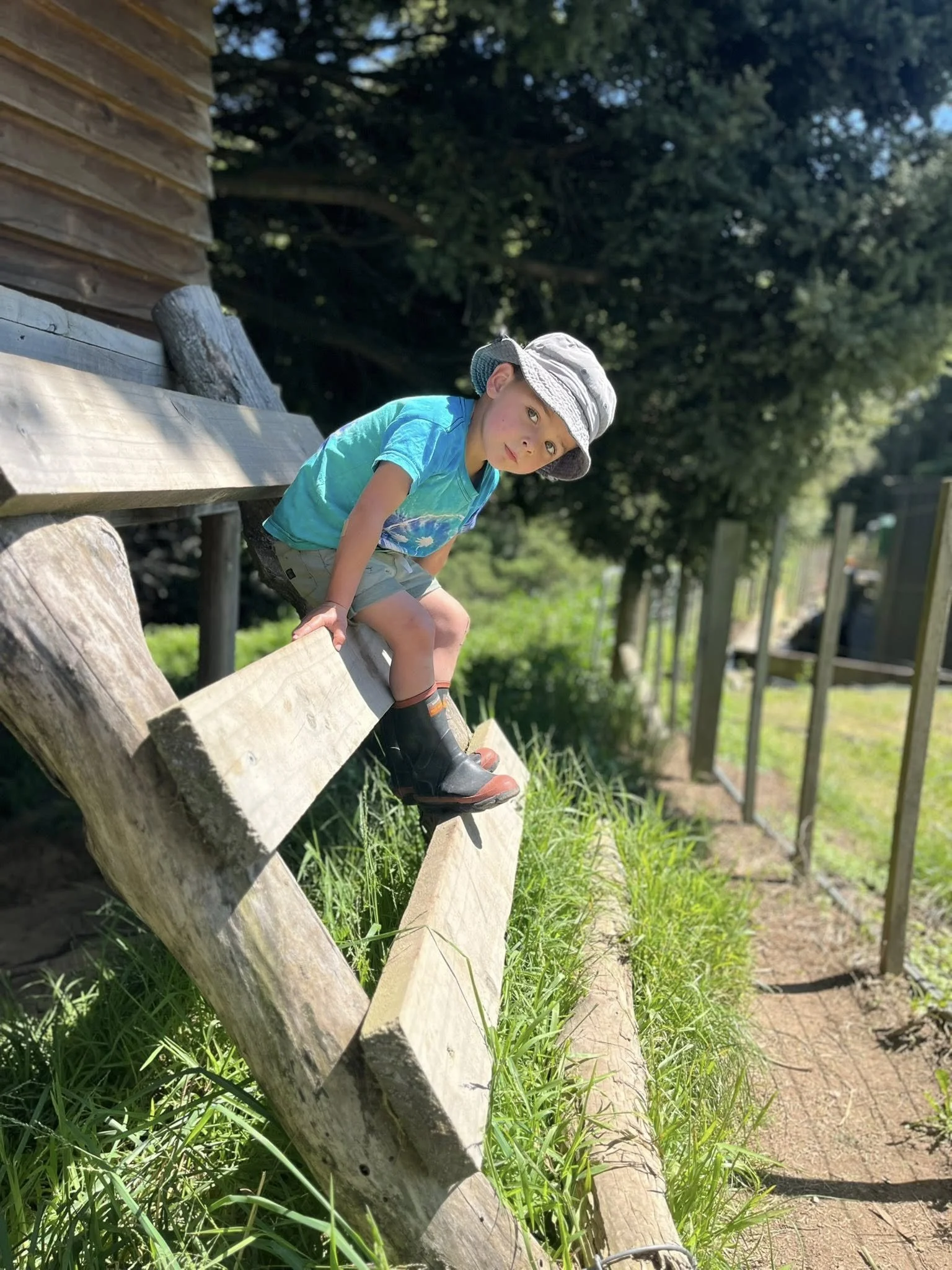
At Old MacDonald’s, we believe that play is education. Through freely chosen, child-led play, tamariki develop the social, emotional, physical, and intellectual skills they need to thrive. Every day, children are negotiating with others, solving problems, managing emotions, taking risks, thinking creatively, and making sense of the world around them.
Our curriculum is grounded in the belief that children are naturally curious, capable learners who know what they need most at any given moment. Rather than directing learning through adult-led activities, we create rich environments, meaningful relationships, and opportunities for exploration that allow children’s interests, ideas, and imaginations to flourish. Kaiako are intentional, reflective, and deeply attuned to each child, carefully balancing when to step back and allow play to unfold, and when to engage, extend thinking, introduce new language, or wonder alongside children.
A strong focus on social and emotional wellbeing sits at the heart of our programme. We know that the early years offer a unique opportunity to develop empathy, resilience, communication skills, self-regulation, and a strong sense of self. Alongside this, we actively nurture creativity in all its forms - from art and storytelling to construction, imaginative play, movement, and outdoor exploration. We value the creative process above the finished product and are committed to protecting the curiosity, imagination, and individuality that make every child unique.
Above all, we are passionate about preserving childhood. We honour children's right to play, to wonder, to create, and to learn in ways that are authentic, meaningful, and deeply connected to who they are.
School Readiness Checklist
It's important to remember that children do not need to be reading, writing, or doing formal maths before they start school. New Zealand schools expect children to arrive with a range of experiences, strengths, and abilities. School readiness is more about developing confidence, independence, communication skills, and positive learning dispositions.
Social & Emotional Skills
My child can:
☐ Separate from their whānau with support and settle into a new environment.
☐ Follow simple routines and transitions.
☐ Take turns and share with others.
☐ Express their feelings, needs, and ideas appropriately.
☐ Ask for help when needed.
☐ Begin to manage disappointment and frustration.
☐ Play cooperatively with other children.
☐ Show kindness, empathy, and respect for others.
☐ Demonstrate increasing independence and resilience.
Communication & Language
My child can:
☐ Communicate their thoughts, ideas, and needs verbally.
☐ Listen to and follow simple instructions.
☐ Participate in conversations with adults and peers.
☐ Enjoy stories, songs, rhymes, and discussions.
☐ Recognise and respond to their own name.
☐ Speak clearly enough for others to generally understand them.
☐ Ask questions and share their experiences.
☐ Show interest in books and storytelling.
Self-Care & Independence
My child can:
☐ Manage their lunchbox, drink bottle, and belongings.
☐ Use the toilet independently.
☐ Wash and dry their hands independently.
☐ Put on and remove shoes, jacket, and hat.
☐ Open most food packaging.
☐ Take responsibility for their belongings.
☐ Follow basic health and safety routines.
☐ Attempt tasks independently before seeking assistance.
Learning Dispositions
My child can:
☐ Show curiosity about the world around them.
☐ Persist with challenges and keep trying.
☐ Concentrate on an activity for increasing periods of time.
☐ Explore, experiment, and ask questions.
☐ Make choices and take responsibility for them.
☐ Participate in group activities.
☐ Adapt to new situations with support.
☐ Demonstrate confidence in trying new experiences.
Early Literacy Experiences
My child:
☐ Recognises their own name in print.
☐ Holds books appropriately.
☐ Understands that print carries meaning.
☐ Listens to stories and talk about them.
☐ Notices letters, words, signs, and symbols in their environment.
☐ Experiments with drawing, mark-making, and writing.
☐ Recognises some letters, particularly those in their name.
☐ Enjoys singing songs and reciting rhymes.
Note: Children are not expected to be reading when they start school.
Early Mathematics Experiences
My child is beginning to:
☐ Count objects during play.
☐ Recognise some numbers in everyday situations.
☐ Compare quantities (more, less, bigger, smaller).
☐ Sort and classify objects.
☐ Recognise simple patterns.
☐ Use mathematical language during play.
☐ Explore shapes, measurement, and spatial concepts.
☐ Solve simple problems with support.
Note: Children are not expected to know all numbers or complete formal maths tasks before starting school.
Physical Skills
My child can:
☐ Hold pencils, crayons, paintbrushes, and tools comfortably.
☐ Use scissors with supervision.
☐ Run, jump, climb, balance, and move confidently.
☐ Participate in active play.
☐ Carry their own bag and belongings.
☐ Sit comfortably for short group times.
☐ Demonstrate increasing coordination and body awareness.
Tamariki o te Ngahere
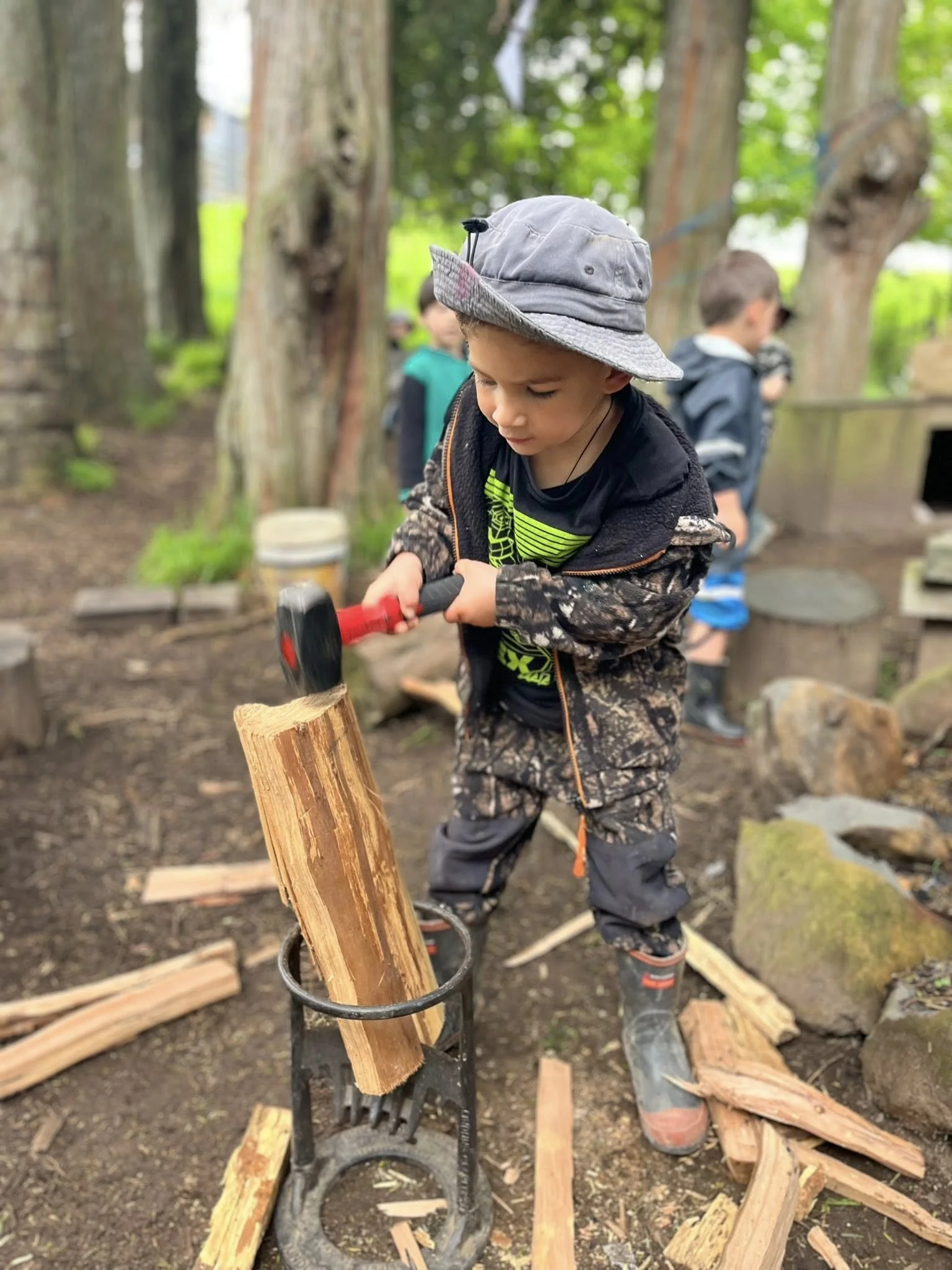
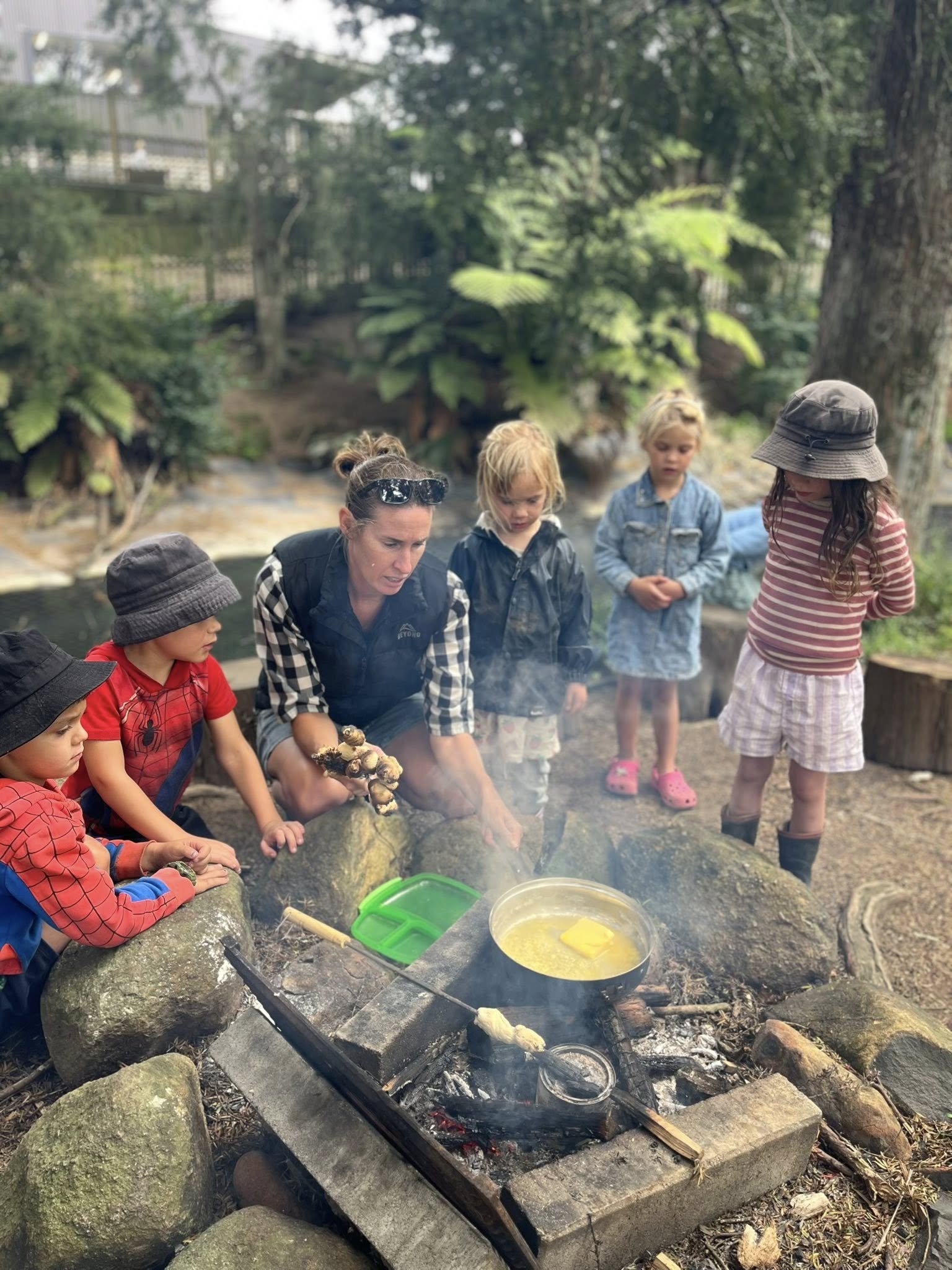
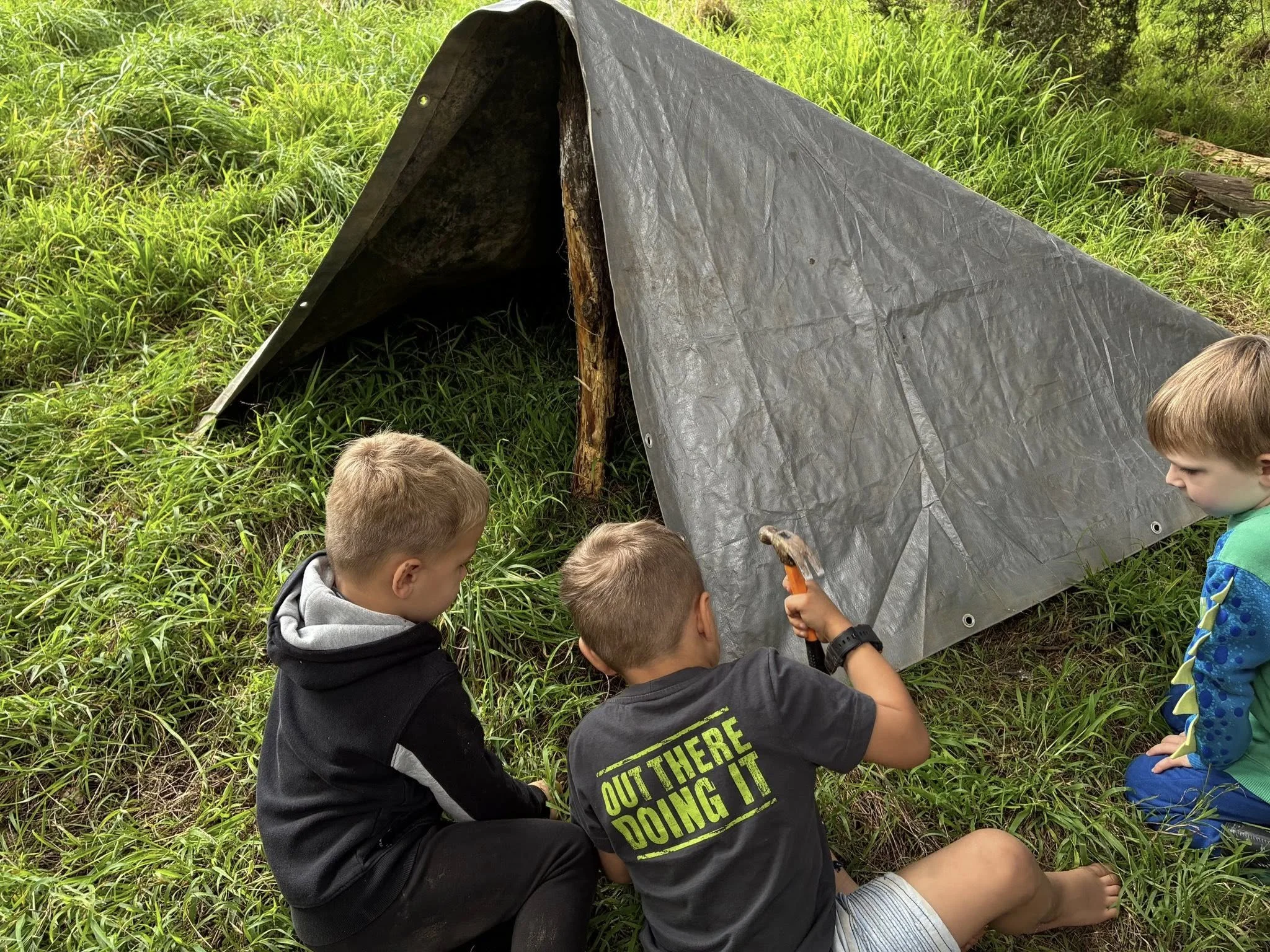
Tamariki o te Ngahere (Ngahere) is our one-day-a-week, nature-based programme for our oldest tamariki as they get ready to start school. Through play and exploration in the outdoors, tamariki build the skills and confidence they need for a successful transition to school.
In Ngahere, tamariki learn important school readiness skills in a real and meaningful way. This includes:
Looking after their own belongings and lunchboxes
Managing themselves in different weather
Engaging in a group hui (like a mat time)
Managing high expectations and safety rules
Building independence, resilience and self-confidence
Practicing communication and working with others
Managing a different environment with children and kaiako that they may not always spend time with
Through hands-on experiences in nature, tamariki also develop early skills in literacy, maths, science, and problem-solving. They are encouraged to ask questions, share ideas, and work together - just like they will at school.
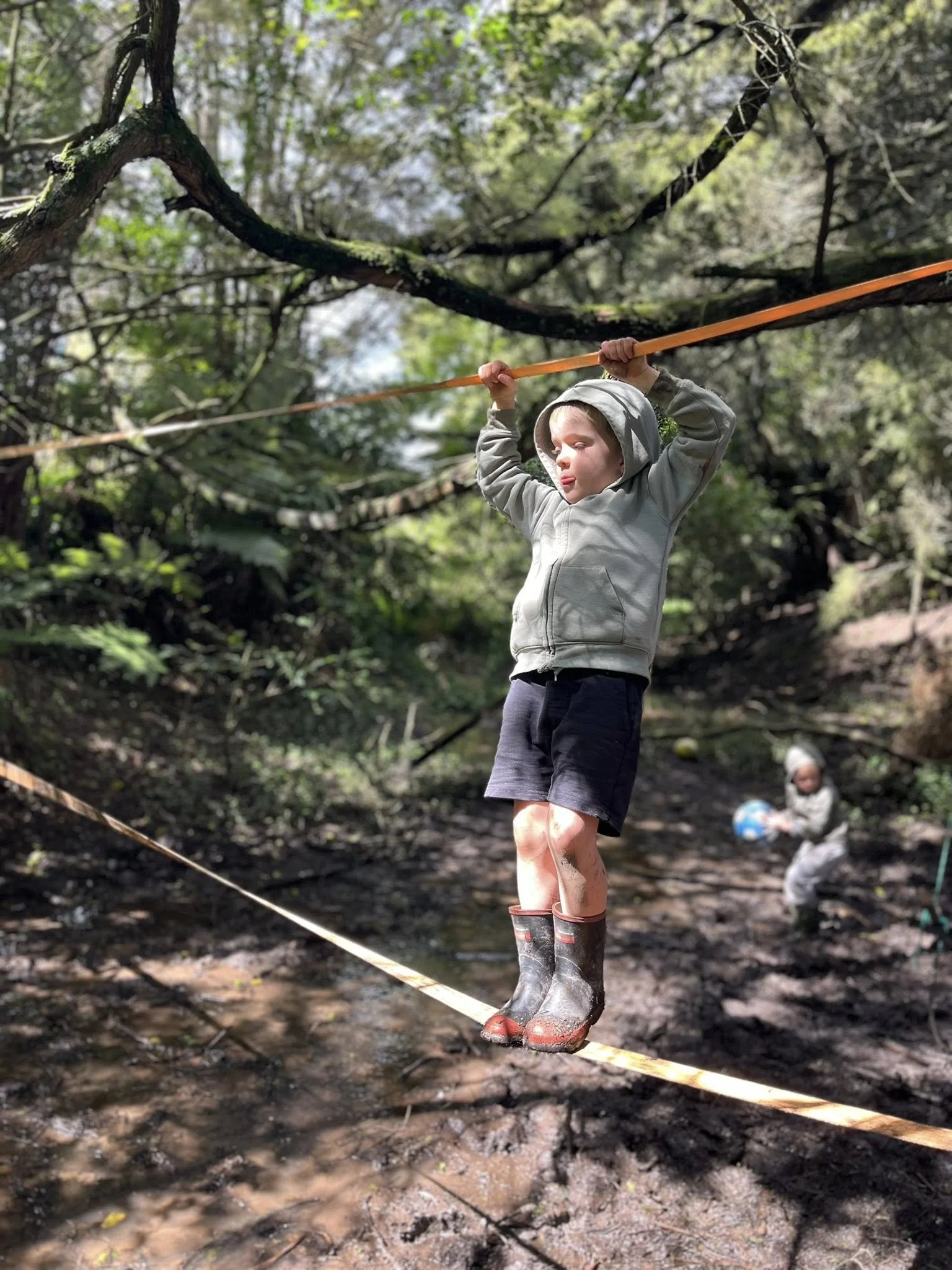
Ngahere supports tamariki to become curious, resilient, and capable learners. They have opportunities to take risks, solve problems, and make decisions, helping them grow into confident and independent thinkers.